
Map Chamber Hogwarts Legacy: Your Complete Guide to Unlocking Secrets and Mastering Ancient Magic
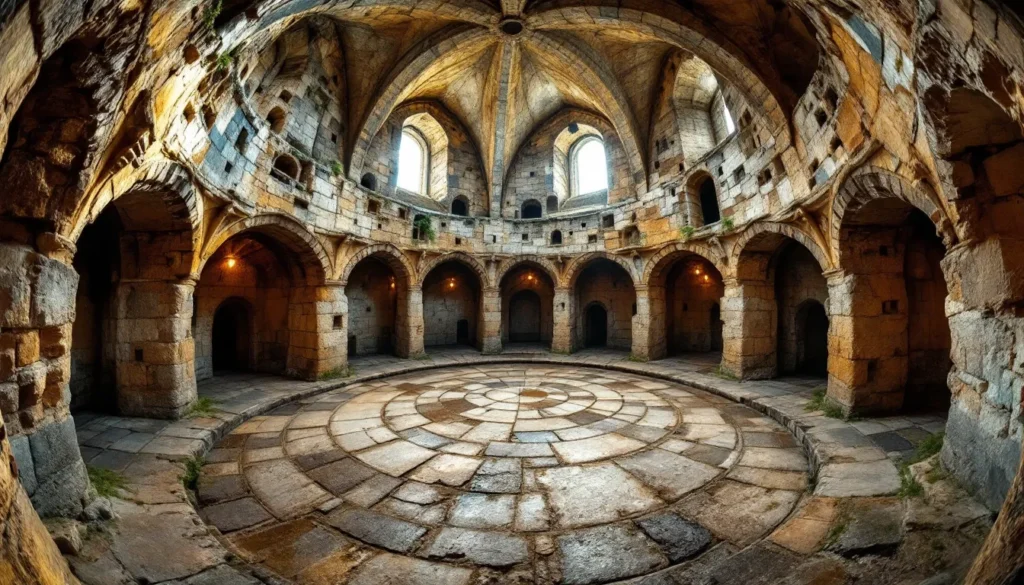
The Map Chamber isn’t just another location in Hogwarts Legacy, it’s the nerve center of the entire Ancient Magic storyline, the place where players unlock crucial abilities and piece together the mysteries Professor Fig has been chasing since that dragon attack. Hidden beneath the school’s grounds, this chamber serves as your hub for the Keeper Trials and the Pensieve memories that explain why you’re the only fifth-year who can see traces of Ancient Magic swirling through the Scottish Highlands.
If you’ve been wondering when you’ll finally access this location, how to navigate its somewhat cryptic layout, or what you’re supposed to do with all those glowing memory strands, you’re in the right place. This guide breaks down everything from your first visit during the main quest to the interactive portraits that offer more than just decoration. Whether you’re hunting for completion or just trying to figure out where the story goes next, understanding the Map Chamber is essential.
Key Takeaways
- The Map Chamber is the essential hub for unlocking the Ancient Magic storyline in Hogwarts Legacy, accessible only after completing prerequisite quests like ‘In the Shadow of the Bloodline,’ ‘The Jackdaw’s Rest,’ and ‘The High Keep.’
- The Pensieve at the chamber’s center reveals crucial memories about Isidora Morganach and the Ancient Magic conspiracy, with new memories triggering visual cues that indicate unviewed content available for replay.
- The four Keeper Trials—led by Percival Rackham, Charles Rookwood, Niamh Fitzgerald, and San Bakar—must be completed in sequence within the Map Chamber’s story progression, each testing different magical skills and difficulty levels.
- Interactive portraits of the Keepers provide dynamic dialogue that changes based on your trial completion, offering hints about mechanics and character regrets while rewarding players who exhaust all dialogue options.
- Common mistakes include skipping memory sequences, missing subtle environmental details like rune symbols and changing portrait expressions, and fast-traveling away before completing all interactive prompts in the chamber.
- Maximizing your Map Chamber experience requires watching every memory fully, returning between major quests for unique dialogue, and engaging with all interactive elements rather than rushing through quest objectives.
What Is the Map Chamber in Hogwarts Legacy?
The Map Chamber is a secret underground room located beneath Hogwarts Castle, accessible only to those who can perceive Ancient Magic. It serves as the primary base of operations for the four Keepers’ trials and acts as a repository for memories related to Isidora Morganach and the Ancient Magic conspiracy that predates the events of the game.
Unlike the Room of Requirement, which players customize for potion brewing and gear upgrades, the Map Chamber is purely story-focused. It’s where Professor Fig brings the player character after discovering their unique ability to see magical traces invisible to other witches and wizards. The chamber itself is architecturally distinct, circular stone walls lined with portraits of the four Keepers (Percival Rackham, Charles Rookwood, Niamh Fitzgerald, and San Bakar), a central Pensieve for viewing memories, and glowing magical conduits that respond to Ancient Magic.
The room’s name comes from its original purpose: the Keepers used it to map and monitor sources of Ancient Magic across the region. Players will return here repeatedly throughout the main questline, as each Keeper Trial completion triggers new memories and story revelations. It’s also worth noting that the Map Chamber is completely separate from the Chamber of Secrets, a common point of confusion for players expecting to encounter Salazar Slytherin’s hidden basilisk lair.
Functionally, the Map Chamber tracks your progression through the Ancient Magic storyline. Each visit unlocks new dialogue with the Keeper portraits and provides context for why Ranrok and the goblin rebellion are so desperate to harness this power.
How to Unlock the Map Chamber
Accessing the Map Chamber isn’t optional, it’s mandatory main quest content that every player will encounter during their playthrough. But, understanding the exact requirements helps avoid confusion when the location becomes relevant.
Completing the Main Quest Requirements
The Map Chamber unlocks during the main quest “The Map Chamber,” which becomes available after completing several early storyline missions. Specifically, players must:
- Complete “In the Shadow of the Bloodline” (the quest where you explore the Gringotts vault ruins with Professor Fig)
- Complete “The Jackdaw’s Rest” (Richard Jackdaw’s quest chain)
- Finish “The High Keep” (which involves investigating Ranrok’s search for Ancient Magic sites)
Once these prerequisites are met, Professor Fig will send you an owl requesting a meeting. This triggers the Map Chamber quest and opens the next phase of the story. The game is fairly linear at this point, you won’t accidentally miss it, but you also can’t access the chamber early by exploring.
Meeting Professor Fig at the Map Chamber Location
When the quest activates, Fig directs you to meet him near a specific corridor in the castle. The entrance is located in the Secret Rooms section beneath the Grand Staircase, accessible through a hidden passage that only reveals itself during the quest trigger.
Follow Fig through the corridor until you reach a magically sealed door. He’ll explain that only someone who can wield Ancient Magic can open it, your character does so automatically during the cutscene. Inside, you’ll encounter the Pensieve and the four Keeper portraits for the first time, who explain their trials and the responsibility they’ve placed on you.
This initial visit is entirely scripted. You’ll view your first memory, receive exposition about Isidora and the previous Ancient Magic wielder, and learn about the trials ahead. After this quest completes, the Map Chamber remains accessible via fast travel or by returning to the entrance manually.
Navigating the Map Chamber: Layout and Key Features
The Map Chamber’s layout is deceptively simple but packed with interactive elements that become relevant as you progress through the story.
The Pensieve and Memory Viewing
The Pensieve sits at the center of the chamber, glowing with ethereal light. This is where you’ll view memories collected from various locations throughout the game. Each memory provides crucial backstory about Isidora Morganach, the previous Ancient Magic user whose actions created the current crisis.
When a new memory becomes available, the Pensieve emits a distinct visual cue, a bright pulse of light that’s hard to miss. Approach it and interact to trigger the memory sequence. These aren’t just cutscenes: they often contain environmental storytelling that explains character motivations and foreshadows later plot twists. Players following quest chains in Hogwarts Legacy will find these memories essential for understanding why certain locations and characters matter.
According to community discussions on RPG Site, some players initially skip through these memories to rush the main quest, then struggle to follow the story’s emotional beats later. The memories are worth watching, they’re well-acted and provide context that makes the final story choices more impactful.
Interactive Portraits and Character Interactions
The four Keeper portraits line the chamber walls: Percival Rackham (the most talkative and your primary contact), Charles Rookwood, Niamh Fitzgerald, and San Bakar. Each portrait becomes interactive at specific story beats, offering dialogue that changes based on your trial progression.
Rackham’s portrait is always the most active, he’ll greet you on return visits and provide guidance about what to do next. The other three Keepers primarily speak during their respective trial questlines. Their dialogue isn’t just flavor text: they offer hints about trial mechanics and occasionally discuss their own regrets about how they handled Isidora.
The portraits can’t be talked to outside of quest triggers, which frustrates some completionists hoping for optional lore dumps. But, their dialogue during active quests is substantial enough that standing still and listening through all options is worthwhile for anyone invested in the narrative.
Main Quests That Begin in the Map Chamber
The Map Chamber functions as the launch point for several critical main quests, particularly those involving the Keeper Trials and Ancient Magic progression.
The Keeper Trials Explained
The Keeper Trials are four separate quest chains, each designed by one of the Keepers to test whether the player character is worthy of wielding Ancient Magic responsibly. Each trial takes place in a different hidden location and tests different magical skills:
-
Percival Rackham’s Trial – Focuses on perception and understanding the emotional weight of Ancient Magic. This is typically the first trial players complete and involves navigating a puzzle-heavy chamber.
-
Charles Rookwood’s Trial – Tests your ability to use Ancient Magic in combination with standard spellcasting. Expect combat encounters mixed with environmental puzzles.
-
Niamh Fitzgerald’s Trial – Emphasizes moral judgment and control. This trial features some of the toughest enemy waves in the main storyline.
-
San Bakar’s Trial – The final trial before the endgame, combining all previous lessons. It’s mechanically the most complex and narratively the darkest.
Each trial quest begins by speaking to the corresponding Keeper’s portrait in the Map Chamber after viewing the prerequisite memory. The game clearly marks when a new trial is available, and they must be completed in sequence, you can’t skip ahead to Bakar’s trial without finishing the others first. Guides on Twinfinite note that the trials scale in difficulty, so players who rush the main quest without leveling up or upgrading gear may struggle with the later combat sections.
Progression Through Ancient Magic Storylines
Beyond the trials themselves, the Map Chamber serves as the narrative checkpoint for every major Ancient Magic revelation. After completing each trial, you return here to view a new Pensieve memory that unveils more about Isidora’s story, her intentions, her relationship with the Keepers, and the tragic consequences of her actions.
These story beats are mandatory and cannot be skipped. The game essentially uses the Map Chamber as a pacing mechanism, ensuring players absorb the story before pushing forward. Some quests that initiate here include:
- “The Final Repository” (endgame quest)
- “The Headmistress Speaks” (a smaller quest that bridges trial arcs)
- Various memory-viewing quests that don’t involve combat but unlock crucial lore
Players working through hidden quest content in the castle will appreciate that the Map Chamber provides a clear through-line for the main story, making it easier to separate mandatory content from optional exploration.
How to Use the Map Chamber to Track Your Progress
One of the Map Chamber’s underutilized functions is progress tracking for the Ancient Magic storyline. While the quest log provides basic objectives, the chamber itself offers visual and interactive cues about what comes next.
Understanding the Pensieve Memories System
The Pensieve doesn’t just play memories, it serves as a progress indicator. When you have an unviewed memory available, the Pensieve glows more intensely and displays a distinct particle effect. If you’re ever unsure whether you’ve seen all available memories, check the Pensieve: if it’s dormant (faint glow, no particles), you’re caught up.
Memories are collected from specific locations throughout the game world, typically as rewards for completing trials or discovering hidden Ancient Magic sites. The game doesn’t always make it obvious when a new memory is ready, so returning to the Map Chamber between major quests is good practice. Each memory is numbered in the quest log under the “Memories” category, making it easy to identify gaps in your collection.
Some memories are missable if you progress too far in the story without exploring certain optional areas, though this is rare. The vast majority are tied to mandatory quest progression.
Checking Quest Status and Next Steps
The Keeper portraits provide verbal cues about what to do next. If you’re unsure which trial to tackle or whether you’ve missed a memory, speak to Percival Rackham’s portrait. His dialogue updates dynamically based on your current story position, offering hints like “You should seek out the next trial” or “There is still a memory to be viewed.”
This system is less robust than a modern quest tracker, but it fits the game’s immersive design philosophy. Instead of a checkbox list, you’re guided by characters who reference story events naturally. It’s effective once you understand the pattern: visit Map Chamber → view available memory → speak to Keepers → receive next trial location.
Players who prefer explicit tracking can also check their quest log for active Main Quests labeled with the Keepers’ names. If a trial quest is active, the objective marker on your map will point toward the trial location entrance.
Secret Locations and Hidden Details in the Map Chamber
The Map Chamber doesn’t have loot chests or collectibles in the traditional sense, but it does contain environmental storytelling and a few easy-to-miss details that enrich the experience.
First, pay attention to the architectural runes and symbols carved into the chamber’s stone walls. These aren’t random decoration, they match the symbols found at Ancient Magic hotspot locations throughout the game world. Observant players will notice these same runes appear in trial chambers and Isidora’s hideouts, suggesting a shared magical language the Keepers used.
Second, the portraits themselves change expressions and postures based on story progression. Early in the game, the Keepers appear guarded and skeptical. After completing trials and proving yourself, their demeanor softens noticeably. San Bakar, in particular, goes from stern and distant to visibly conflicted as you approach the endgame. It’s subtle character work that most players miss if they’re rushing through dialogue.
Third, there’s a partially hidden doorway behind the Pensieve that leads to a small antechamber. This area is only accessible during specific quests and contains additional lore books about the Keepers’ research methods. It’s not marked on any map, and the game doesn’t draw attention to it, so many players complete the story without ever noticing it exists.
Finally, lighting effects in the chamber change based on how many trials you’ve completed. After finishing all four trials, the Ancient Magic conduits along the walls glow brighter and pulse rhythmically, a visual indicator of your growing power. According to player guides on Game8, this detail is purely aesthetic but adds to the chamber’s sense of progression.
For players exploring secret areas in Hogwarts Legacy, the Map Chamber serves as a reminder that not every secret involves treasure, sometimes the reward is understanding the world’s deeper lore.
Common Map Chamber Mistakes and How to Avoid Them
Even straightforward locations like the Map Chamber can trip up players, especially when quest triggers don’t behave as expected.
Missing Quest Triggers
The most common mistake is arriving at the Map Chamber when no quest is active, then assuming the location is bugged. The chamber is quest-gated, if you haven’t completed the prerequisite trials or memories, there won’t be anything interactive beyond dormant portraits and the Pensieve.
If you fast travel to the Map Chamber and find nothing to do, check your quest log for active Main Quests involving the Keepers. If there are none, you likely need to progress other story beats (like Professor Weasley’s assignments or companion quests) before the next trial unlocks. The game sometimes spaces out Ancient Magic content to prevent story overload, forcing players to engage with side content between major revelations.
Another trigger issue: leaving the Map Chamber mid-quest. Some players enter during an active quest, explore briefly, then fast travel away before viewing the required memory or speaking to the necessary portrait. This can soft-lock progression temporarily. The fix is simple, return to the chamber and complete the objective you skipped.
Overlooking Interactive Elements
Players occasionally miss the Pensieve interaction prompt because they’re standing at the wrong angle or too far from the basin. The prompt appears when you’re within a few feet of the Pensieve’s edge, facing it directly. If you’re circling the room wondering why nothing’s happening, walk directly up to the glowing basin.
Similarly, some players don’t realize the portraits are interactive during specific quests. If you’re told to “speak to the Keepers” but don’t see prompts, make sure you’re approaching each portrait closely. The interaction radius is smaller than typical NPC conversations, requiring you to stand almost directly in front of the frame.
Finally, a few players report audio bugs where Keeper dialogue plays but subtitles don’t appear (or vice versa). This seems to be a platform-specific issue affecting PC players on certain GPU configurations. If dialogue cuts out, reloading the most recent save usually fixes it without losing progress.
Tips for Maximizing Your Map Chamber Experience
Getting the most out of the Map Chamber isn’t just about completing quests, it’s about engaging with the story and world-building the developers packed into this location.
Watch every memory fully. The Pensieve sequences contain foreshadowing, character motivations, and emotional context that make the endgame choice more meaningful. Skipping through them saves maybe two minutes per memory but costs you the narrative payoff the game is building toward.
Exhaust all dialogue options with the Keepers. When a portrait becomes interactive, don’t just click through to the next objective. Ask every available question, you’ll get lore about the other Founders, insights into each Keeper’s specialty, and hints about why they’re so afraid of Ancient Magic falling into the wrong hands. This is especially important for Percival Rackham, who has the most to say and whose perspective frames the entire storyline.
Return between major quests, not just when prompted. Even if the game hasn’t sent you back for a story beat, visiting the Map Chamber after exploring Ancient Magic sites or completing side quests can trigger unique dialogue. The Keepers sometimes comment on your actions in the wider world, acknowledging if you’ve been particularly destructive or merciful in combat encounters.
Take screenshots or record the memories. If you’re someone who theorycrafts or writes about game stories, the Pensieve memories contain details that pay off much later. References to specific spells, locations, or characters in memories often become relevant in the final hours of the game. Having a record makes it easier to connect the dots.
Use the Map Chamber as a story reset point. If you’ve been grinding side content or hunting collectibles in the castle for hours and feel disconnected from the main narrative, returning here and listening to the Keepers re-contextualizes your goals. It’s a built-in narrative anchor that helps maintain story momentum in an open-world game.
Don’t fast travel away immediately after viewing a memory. Stick around for a few seconds. Sometimes the Keepers will comment on what you just saw, or new dialogue options will appear. These post-memory reactions are easy to miss if you’re rushing to the next objective.
Conclusion
The Map Chamber is Hogwarts Legacy’s story engine, the place where Ancient Magic lore, Keeper philosophy, and Isidora’s tragedy converge into a coherent narrative thread. It’s not flashy like the Room of Requirement or sprawling like the castle grounds, but it’s the location that ties your player character’s unique abilities to the game’s central conflict.
Understanding how to navigate the chamber, when to return, and what details matter transforms it from a quest waypoint into a space that actually feels significant. The Pensieve memories aren’t skippable fluff: they’re the reason the final choice in the game carries weight. The Keeper portraits aren’t just quest givers: they’re characters grappling with the consequences of their own failure to stop Isidora decades earlier.
By the time you complete the final trial and return for the last memory, the Map Chamber should feel familiar, almost like a second home base. That’s intentional design. The developers wanted this underground room to be a refuge from the chaos of Ranrok’s rebellion and the moral ambiguity of wielding Ancient Magic. Whether you’re here to track quest progress, absorb lore, or just appreciate the environmental storytelling, the Map Chamber rewards players who take the time to engage with it fully.
 Sebastian Sallow in Hogwarts Legacy: Complete Character Guide & Quest Walkthrough
  Hogwarts Legacy Herodiana Puzzle: Complete Guide to Solving All 15 Moon Challenges
  Does Hogwarts Legacy Autosave? Everything You Need to Know About Save Systems in 2026
  Hogwarts Legacy Change Appearance: Complete Guide to Customizing Your Witch or Wizard in 2026
  Mallowsweet in Hogwarts Legacy: Complete Farming Guide and Practical Uses (2026)
  Jobberknoll in Hogwarts Legacy: Complete Guide to Finding, Capturing, and Using This Rare Magical Beast