
How to Get Roblox in Infinite Craft: Step-by-Step Guide to Unlocking the Ultimate Gaming Icon
Infinite Craft has become the surprise hit among browser-based crafting games, letting players combine basic elements to discover thousands of possible creations. For Roblox fans diving into this addictive discovery game, one goal stands above the rest: crafting the Roblox element itself. It’s not just about nostalgia, unlocking Roblox opens doors to an entire branch of gaming-related combinations that can lead to hundreds of unique elements.
The crafting chain to reach Roblox isn’t immediately obvious, and many players waste hours testing random combinations hoping to stumble onto the right path. This guide breaks down the exact recipe sequence needed to craft Roblox in Infinite Craft, along with alternative routes, time-saving shortcuts, and advanced strategies for what to do once you’ve unlocked it. Whether you’re hunting for your first major gaming discovery or building out a complete collection, understanding this crafting path will save you serious time.
Key Takeaways
- The most efficient path to craft Roblox in Infinite Craft requires building Computer first, then creating Game, and finally combining Game + Block to unlock Roblox.
- Getting Roblox in Infinite Craft opens an entire branch of gaming-related discoveries, making it a crucial gateway element that can be combined with dozens of other elements for derivative creations.
- Follow the proven Computer → Game → Block recipe chain documented by the community to reach Roblox in 20-30 minutes as a first-time player, rather than wasting hours on random combinations.
- Once you unlock Roblox, hunt for first discoveries by combining it with abstract concepts or unrelated elements like Roblox + Dream or Roblox + Desert to create entirely unique combinations.
- Master the element search function and maintain a personal recipe journal to organize your progress effectively as your element library grows past hundreds of discoveries.
What Is Infinite Craft and Why Roblox Matters
Understanding the Basics of Infinite Craft
Infinite Craft is a free-to-play browser game developed by Neal Agarwal that operates on one deceptively simple mechanic: combine two elements to create new ones. You start with four base elements, Water, Fire, Wind, and Earth, and from there, the possibilities expand exponentially.
The game uses AI-powered generation to determine what happens when you merge elements, which means discoveries can range from logical (Water + Earth = Mud) to wonderfully absurd (Sharknado is a real possibility). There’s no win condition, no levels, and no time limits. The entire appeal is the dopamine hit of discovery.
What makes Infinite Craft particularly engaging is its first-discovery system. When you’re the first player globally to create a specific combination, your username gets permanently attached to that element. For completionists and achievement hunters, this turns a casual crafting game into a competitive race to find undiscovered combinations.
Why Roblox Is a Popular Discovery in Infinite Craft
Roblox as an element sits at a crucial intersection in Infinite Craft’s discovery tree. It represents one of the most recognizable gaming platforms in the world, making it a natural target for players who want to recreate their favorite games and franchises within the crafting system.
Beyond the satisfaction of seeing that blocky logo appear in your element library, Roblox serves as a gateway element. Once unlocked, it can be combined with other gaming elements, tech components, and creative concepts to generate dozens of derivative discoveries. Think of it as a crafting hub, similar to how unlocking “Metal” or “Human” opens entire branches of possibilities.
The Roblox element also appeals to the game’s core demographic. Many Infinite Craft players are already familiar with Roblox’s creative ecosystem, so crafting it feels like bringing two beloved sandbox experiences together. It’s meta in the best way possible.
Essential Crafting Mechanics You Need to Know
How Element Combinations Work
Infinite Craft’s combination system is both its greatest strength and its biggest mystery. The game doesn’t provide a recipe book or hint system, you’re expected to experiment and learn through trial and error.
When you drag one element onto another, the game processes the combination through its AI backend and returns a result. Some combinations are deterministic (Fire + Water will always give you Steam), while others feel more contextual. The key is understanding thematic relationships: technology elements often require metal or electricity, living creatures need earth or water bases, and abstract concepts usually stem from mixing human-related elements.
One crucial detail: combinations are commutative. Water + Fire produces the same result as Fire + Water, so you don’t need to test both orders. This cuts your experimentation time in half.
The interface allows you to have multiple elements active on the crafting board simultaneously, which becomes essential for complex chains. You can duplicate any unlocked element by dragging it from your library, so you’re never limited by “using up” resources. Think of your library as an infinite inventory, once you’ve discovered something, it’s yours forever.
The Role of First Discoveries in Your Crafting Journey
First discoveries add a competitive layer to Infinite Craft that transforms it from a solo puzzle game into a global race. When you create an element that no other player has made before, the game marks it with a special badge and your username.
For crafting Roblox specifically, first discoveries are unlikely unless you’re playing within hours of a major game update or finding an entirely new recipe path. The core route to Roblox has been discovered and documented by the community, which actually works in your favor, you can follow proven methods instead of spending days on trial and error.
But, once you’ve unlocked Roblox, the derivative combinations are where first discoveries become attainable. Mixing Roblox with unusual elements (abstract concepts, rare locations, specific characters) can yield unique results that haven’t been cataloged yet. Many players looking to unlock exclusive rewards in gaming understand the appeal of being first to discover something valuable.
The first-discovery system also serves as a soft achievement tracker. Even without formal progression systems, players can measure their creativity and thoroughness by how many unique discoveries they’ve claimed.
The Complete Recipe Path to Craft Roblox
Starting Elements: Building Your Foundation
Every journey to Roblox begins with the four starter elements: Water, Fire, Wind, and Earth. The most efficient path requires building up to technology and gaming-related elements, which means your first combinations should focus on creating fundamental building blocks.
Start with these essential base combinations:
- Water + Fire = Steam
- Water + Earth = Plant
- Earth + Wind = Dust
- Fire + Earth = Lava
From there, you’ll need to create Stone (Lava + Water) and Metal (Fire + Stone). Metal becomes crucial for technology trees. You’ll also want Human, which comes from combining Earth + Water to get Plant, then Plant + Water to get Swamp, and finally Earth + Swamp to get Human.
These foundational elements aren’t specific to the Roblox recipe, they’re universal building blocks you’ll use for hundreds of other discoveries. Get comfortable with this crafting pattern because it’s how almost every complex element is built.
Intermediate Combinations Leading to Gaming Elements
Once you have the basics, you need to bridge into gaming territory. This is where the recipe path gets specific. According to verified crafting guides from communities like Game8 that track complex discovery chains, the most reliable route involves creating Computer first.
Here’s the intermediate chain:
- Steam + Fire = Engine
- Engine + Engine = Rocket
- Rocket + Human = Astronaut
- Dust + Earth = Planet
- Planet + Fire = Sun
- Sun + Rocket = Solar System
- Solar System + Astronaut = Space Station
Now pivot toward technology:
- Metal + Human = Tool
- Tool + Human = Engineer
- Engineer + Metal = Robot
- Robot + Steam = Computer
With Computer in your library, you’re about 70% of the way to Roblox. The Computer element unlocks the entire digital and gaming branch of discoveries.
Final Steps to Unlock Roblox
The final leg requires combining Computer with game-related concepts. The most direct path involves creating Game first, then evolving it into more specific gaming platforms.
Here’s the endgame sequence:
- Computer + Human = Programmer
- Programmer + Computer = Software
- Software + Human = Game
Now you have the Game element, which is your gateway to Roblox. The final combination is:
- Game + Block = Roblox
To get Block, combine:
- Stone + Stone = Boulder
- Boulder + Tool = Block
Alternatively, some players report success with:
- Game + Lego = Roblox
Where Lego comes from Block + Plastic (Plastic = Oil + Fire, Oil = Swamp + Time). This route takes slightly longer but is equally valid.
Once you’ve successfully combined the final elements, the Roblox element will appear in your crafting area and automatically save to your library. You’ll see the distinctive blocky icon, and if you’re somehow the first person to discover it through a unique path, you’ll earn the first-discovery badge, though realistically, the core Roblox recipe has been claimed.
Alternative Methods and Crafting Variations
Exploring Different Recipe Chains
Infinite Craft’s AI-driven system means multiple paths can lead to the same destination. While the Computer → Game → Block route is most efficient, several alternative chains exist that might align better with elements you’ve already discovered.
One popular variation focuses on the Internet pathway:
- Computer + Computer = Server
- Server + Server = Data Center
- Data Center + Human = Internet
- Internet + Game = Online Game
- Online Game + Block = Roblox
This route is slightly longer but creates valuable intermediate elements (Internet, Server, Data Center) that unlock hundreds of other technology-related discoveries. If you’re planning to explore the tech tree extensively, this path provides better long-term value.
Another approach uses the Toy pathway:
- Human + Wood = Toy (Wood = Tree + Tool, Tree = Plant + Time)
- Toy + Block = Building Blocks
- Building Blocks + Game = Roblox
This method appeals to players who’ve been exploring the physical object branch rather than pure technology. Detailed crafting chains like this are often covered by sites like Twinfinite in their comprehensive game guides.
Shortcuts and Time-Saving Tips
If you’re laser-focused on getting Roblox as quickly as possible, efficiency matters. Here are proven shortcuts:
Pre-craft common intermediates. Before starting the Roblox chain, create multiple copies of elements you’ll reuse: Stone, Metal, Human, Steam, Fire. Having them ready on your board eliminates repetitive dragging from your library.
Use the search function. Once your library grows past 50 elements, scrolling becomes tedious. The search bar at the top of your element panel lets you instantly filter for what you need. Type “comp” to find Computer, “gam” for Game, etc.
Work backwards from Roblox. If you already have some mid-tier elements, check what you need for the final combinations first. You might be closer than you think if you’ve been experimenting with gaming or tech elements already.
Leverage community recipes. Platforms like GameSpot and dedicated Infinite Craft wikis maintain crowd-sourced recipe databases. If you’re stuck on a specific intermediate element, a quick search can save 20 minutes of blind experimentation.
Clone your progress. Keep the game tab open in your browser. Infinite Craft saves your progress automatically to browser storage, but it’s session-based. If you clear your cache or switch browsers, you’ll lose everything. Bookmark the page and use the same browser each time.
The absolute fastest run from starting the game to unlocking Roblox, assuming you know every recipe by heart, takes approximately 8-12 minutes of pure crafting time. Realistically, first-time players following a guide should budget 20-30 minutes.
What You Can Do After Unlocking Roblox
Creating Advanced Gaming-Related Elements
Unlocking Roblox isn’t the end, it’s the beginning of an entire sub-tree of gaming discoveries. The Roblox element combines productively with dozens of other elements to create specific games, gaming concepts, and meta references.
Here are some high-value combinations to try immediately:
- Roblox + Human = Roblox Player
- Roblox + Money = Robux
- Roblox + Computer = Roblox Studio
- Roblox + World = Roblox Universe
- Roblox + School = Roblox Education
- Roblox + War = Roblox Battle
Each of these derivatives can be combined further. Robux can mix with Economy, Trade, or Shopping elements. Roblox Player combines with virtually any character concept to create specific player types. Roblox Studio opens combinations with coding, creation, and development elements.
The gaming branch extends beyond Roblox too. Try combining your newly unlocked elements with other gaming platforms:
- Game + Console = Video Game
- Computer + Video Game = PC Gaming
- Video Game + Sport = Esports
These combinations spiral into hundreds of possibilities. Players focused on crafting specific materials in other games understand this branching tree logic, one core element unlocks an entire crafting family.
Building Your Own Custom Combinations
The real creative potential emerges when you start cross-pollinating Roblox with non-gaming elements. This is where first discoveries become attainable and where Infinite Craft transforms from a recipe-following exercise into genuine experimentation.
Try mixing Roblox with abstract concepts:
- Roblox + Dream = ?
- Roblox + Time = ?
- Roblox + Philosophy = ?
- Roblox + Emotion = ?
Or combine it with specific locations and scenarios:
- Roblox + Desert = ?
- Roblox + Ocean = ?
- Roblox + Space = ?
- Roblox + Castle = ?
The question marks are intentional, these combinations might yield something obvious, something bizarre, or something genuinely creative that you’re the first to discover. One player reported creating “Roblox Zombie Apocalypse” by combining Roblox + Zombie + World, which then led to “Roblox Survival Game” when mixed with Forest.
Document your discoveries. Keep a note file or spreadsheet of successful combinations, especially if you’re hunting for first discoveries. The game doesn’t provide a detailed history beyond your element library, so tracking your own experiments prevents redundant testing.
For players who enjoy this kind of systematic exploration, the post-Roblox game is where Infinite Craft’s depth truly shines. You’re no longer following guides, you’re creating them.
Common Mistakes and Troubleshooting Tips
Why Your Combinations Might Not Be Working
The most frustrating aspect of Infinite Craft is when you follow a recipe exactly and get unexpected results. Several factors can cause this:
Element name confusion. Some elements have similar names but are distinct. “Game” is different from “Video Game,” “Computer” is different from “PC,” and “Block” is different from “Building Block.” Always verify you’re using the exact element specified in the recipe.
AI generation variability. Infinite Craft’s backend occasionally updates, which can change how certain combinations behave. A recipe that worked in January 2024 might produce a different result in March 2026. This is rare for established combinations like those leading to Roblox, but it can happen with newer or more obscure elements.
Browser or connection issues. Since the game runs entirely in your browser and relies on server-side AI processing, slow connections or browser problems can cause timeouts. If you combine elements and nothing happens, refresh the page and try again. Your progress should be saved.
Using variations instead of base elements. If you’ve already combined Game into something like “Online Game” or “Mobile Game,” you can’t use that in place of base “Game” for the Roblox recipe. You need the original element, which you can always duplicate from your library.
If you’re stuck, the fastest fix is to double-check every element name against the recipe. One wrong intermediate completely derails the chain.
How to Track Your Progress Effectively
With hundreds of elements in your library and no built-in progress tracker, organization becomes critical for long-term players.
Use the favorites system. Infinite Craft allows you to star frequently used elements, keeping them at the top of your library panel. Mark your key building blocks (Human, Metal, Computer, Fire, Water) as favorites so you can access them instantly.
Create a personal recipe journal. Whether in a physical notebook, a Google Doc, or a note-taking app, record your successful combinations. Format it like:
- Computer = Metal + Human + Steam (via Engine → Robot)
- Game = Computer + Programmer
- Roblox = Game + Block
This documentation helps when you return to the game after a break and can’t remember how you created something essential.
Screenshot major milestones. When you unlock significant elements or achieve a first discovery, take a screenshot. This serves as both a progress log and proof of achievement, especially if you’re sharing discoveries with friends or online communities.
Work systematically through branches. Instead of randomly combining everything with everything, focus on completing one thematic tree at a time: technology, nature, mythology, food, etc. This reduces overwhelming choice paralysis and helps you remember which areas you’ve thoroughly explored versus which remain untapped.
Check your total element count periodically. The game displays your total discovered elements at the top of your library. Set mini-goals: reach 100 elements, then 250, then 500. These milestones provide structure to an otherwise endless game.
Pro Tips for Mastering Infinite Craft Discoveries
Organizing Your Element Library
As your element count climbs into the hundreds, library management becomes the difference between smooth crafting and constant frustration.
Master the search function. The search bar supports partial matching, so you don’t need to type full names. Want to find all your space-related elements? Search “space” and you’ll see Space, Space Station, Outer Space, Space Alien, etc. This is exponentially faster than scrolling.
Understand alphabetical sorting. Your library defaults to alphabetical order, which means similar elements often cluster together naturally. All your “Roblox” derivatives will group consecutively: Roblox, Roblox Battle, Roblox Player, Roblox Studio, etc.
Create a personal element index. For players with 500+ elements, some maintain a spreadsheet listing every element they’ve created, categorized by type (Tech, Nature, Abstract, Gaming, etc.). This external organization layer helps you remember what you have and identify gaps in your collection.
Regularly purge duplicate work. You can’t delete elements from your library, but you can minimize clutter on your active crafting board. After completing a recipe chain, clear everything except your final result and the elements you plan to combine it with next.
Plan your board layout. Keep frequently used base elements on one side of the screen, works-in-progress in the center, and your target combinations on the other side. This spatial organization reduces misclicks and speeds up your workflow.
Strategies for Finding Rare and Unique Elements
First discoveries and rare elements require a different mindset than following recipe guides. Here’s how experienced players hunt for undiscovered combinations:
Target abstract combinations. Most players focus on concrete nouns (objects, places, people), which means abstract concepts + gaming elements remain less explored. Try: Roblox + Justice, Roblox + Chaos, Roblox + Harmony, Roblox + Paradox.
Cross-pollinate unrelated branches. The weirdest discoveries come from combining elements that seemingly have nothing in common. Mix your gaming elements with food, weather, emotions, or mythology. Roblox + Tornado might create something obvious, but Roblox + Sushi could surprise you.
Work with new updates. When Infinite Craft adds new base elements or updates its AI model, the discovery landscape shifts. Recently added elements have fewer documented combinations, making first discoveries more attainable. Follow the developer’s social media or community forums for update announcements.
Use the “mirror technique.” Once you’ve created Roblox, try combining it with every element you used to create it: Roblox + Computer, Roblox + Game, Roblox + Block, Roblox + Human, Roblox + Programmer. These recursive combinations often yield unexpected results.
Exploit themed holidays and events. If you’re playing during specific calendar periods, try seasonal combinations: Roblox + Christmas, Roblox + Halloween, Roblox + Valentine’s Day. The AI sometimes incorporates temporal awareness into its generation.
Document failures, not just successes. Keep a list of combinations that don’t work. This prevents you from wasting time retesting the same dead ends and helps you recognize patterns in what the AI accepts versus rejects.
The players with the most first discoveries aren’t necessarily more creative, they’re more systematic. They test exhaustively, document thoroughly, and approach experimentation like a research project rather than random chaos.
Conclusion
Crafting Roblox in Infinite Craft is more than just unlocking another element, it’s a milestone that opens an entire branch of gaming-related discoveries. The recipe path from basic elements to that distinctive blocky icon requires planning, but following the Computer → Game → Block sequence gets you there efficiently.
Whether you’re speedrunning to Roblox or taking your time to explore every branching path, the real game begins after you unlock it. The hundreds of derivative combinations, the potential for first discoveries, and the satisfaction of building out a comprehensive element library transform Infinite Craft from a novelty into a genuinely deep crafting experience.
The mechanics are simple, but the possibilities are legitimately infinite. Now get out there and start combining.
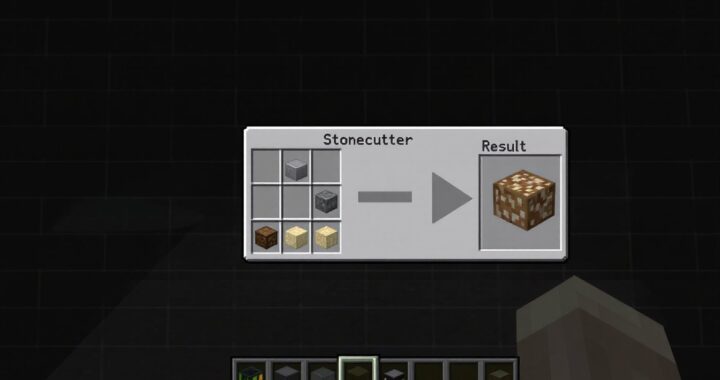 Stonecutter Recipe: Complete Crafting Guide for Minecraft 2026
  How to Make Cake in Minecraft: A Complete Crafting Guide for 2026
 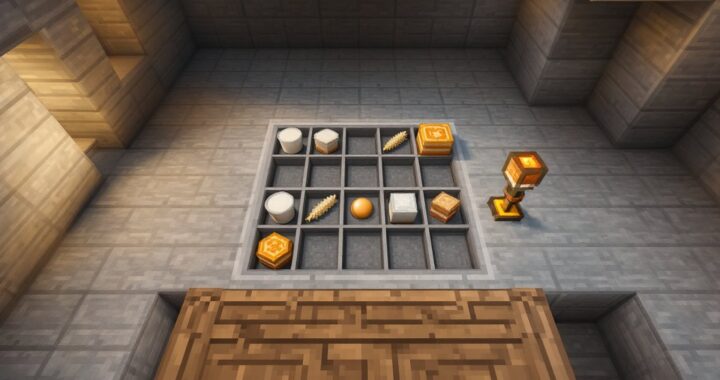 How to Craft a Cake in Minecraft: The Complete Recipe Guide for 2026
  How to Craft an Armor Stand in Minecraft: A Complete Recipe & Usage Guide
  How To Make a Cake In Minecraft: Complete Crafting Guide for 2026
  Minecraft Recipe Book: The Ultimate Guide to Unlocking and Mastering Crafting in 2026